Disclaimer: The information on this website is not a substitute for medical or psychological treatment. The content is based on personal practice and emotional work methods, not medical advice. If you are experiencing serious physical or mental health issues, please seek professional help from a qualified doctor or therapist. Emotional work is individual and results may vary.
Stress has become such a common part of modern life that many people no longer notice how deeply it affects them. Tight shoulders, headaches, exhaustion, digestive issues, shallow breathing, restless sleep—our body often speaks long before we consciously realize what is happening inside us.
This is where the connection between emotions and physical health becomes incredibly important. Not every symptom begins purely on a physical level. Many long-term issues are connected to emotional pressure, unresolved experiences, fear, or chronic internal stress that the body continues to carry.
Stress Is Not Only About External Situations
People often think stress comes only from the outside world. Work pressure, relationship problems, financial worries, or constant obligations. But stress is not created only by events themselves. It is also created by how our mind interprets those events. Two people can experience the exact same situation and react completely differently.
When the brain perceives something as threatening or overwhelming, the body activates a survival response. Muscles tighten, breathing changes, stress hormones rise, and the nervous system shifts into protection mode. If this state continues for weeks, months, or even years, the body eventually begins to show signs of overload.
The Body Stores Emotional Experiences
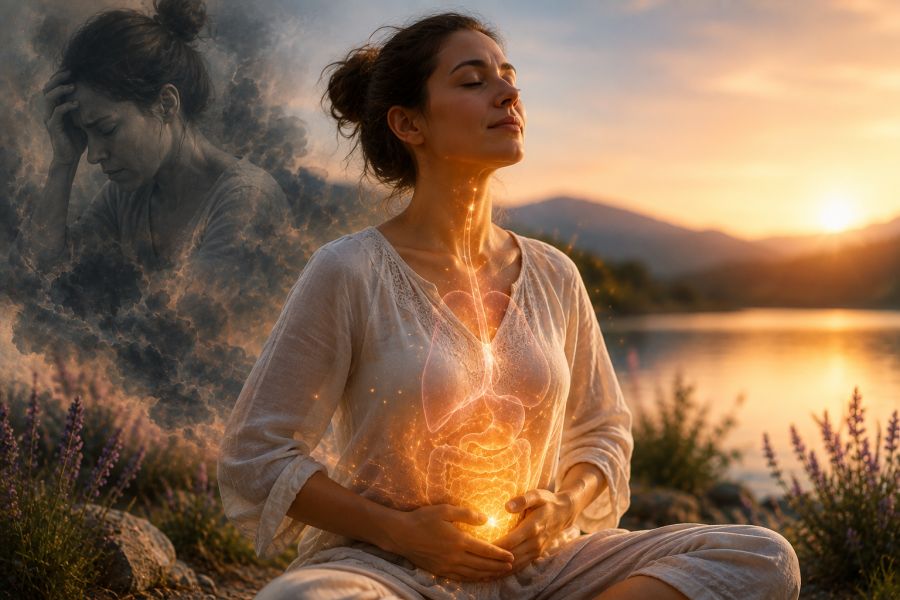
Emotions are not just abstract mental experiences. Every strong emotional event creates a physical response in the body. Fear may tighten the stomach. Grief may create pressure in the chest. Anxiety often appears as tension, restlessness, or chronic fatigue.
The body remembers far more than most people realize. And when emotions remain unprocessed for a long time, they may gradually begin expressing themselves physically.
Tapping as a Way to Release Inner Tension
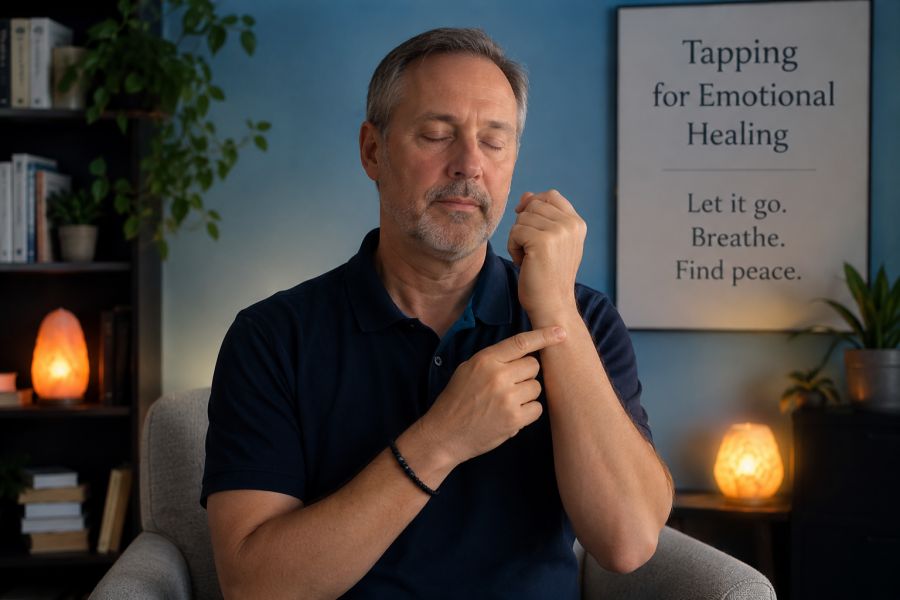
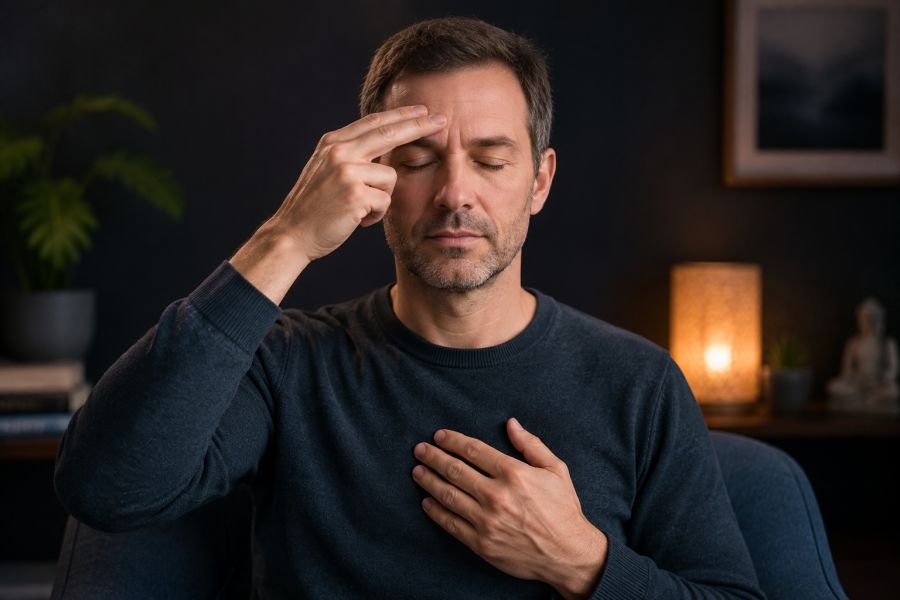
Tapping is a simple technique that combines focused attention, emotional awareness, and gentle stimulation of specific points on the body. The goal is not to suppress emotions or “convince” the mind to feel differently. Instead, it creates a sense of safety where the nervous system can begin to relax.
During tapping, a person consciously focuses on a problem, emotion, or physical discomfort while stimulating selected points on the body. This process gradually changes the body’s internal response. Breathing often slows down, tension decreases, and the nervous system begins shifting away from stress and into regulation.
Why Symptoms Alone Are Not Always the Real Problem
Many people focus only on removing physical symptoms. The pain. The fatigue. The tension. But if the underlying emotional stress pattern remains unchanged, the body often returns to the same state again and again.
This does not mean physical symptoms are “imaginary.” It simply means the mind and body constantly communicate with each other. And when internal emotional patterns change, physical reactions often begin to change as well.
The Influence of the Mind on the Body
Modern research repeatedly shows how strongly our internal state affects physical health. The placebo effect, for example, demonstrates that the body responds not only to substances, but also to expectation, belief, and emotional safety.
When people begin working with stress, emotions, and their internal experiences, they often notice changes in energy levels, sleep quality, recovery, and overall emotional balance.
Healing Begins with Safety
Many people spend years fighting themselves. Trying to become stronger, tougher, more productive. But the body often does not need more pressure. It needs calm. Safety. Permission to let go.
That is why tapping can be so valuable. Not because it magically fixes everything, but because it helps people reconnect with themselves and create a healthier relationship with their emotions and physical experiences.
Small Changes Create Powerful Shifts
You do not need to completely transform your life overnight. Sometimes the most important step is simply slowing down and paying attention. Noticing what your body feels. Recognizing where tension lives inside you. Becoming aware of how stress changes your breathing, posture, and emotional state.
Because the moment you begin listening to yourself instead of constantly fighting yourself, real change can begin to happen.
If you would like to explore these principles more deeply and learn more about working with stress, emotions, and inner balance, you can explore additional materials that may support you on your journey enter my store.